
The Problem with Trust

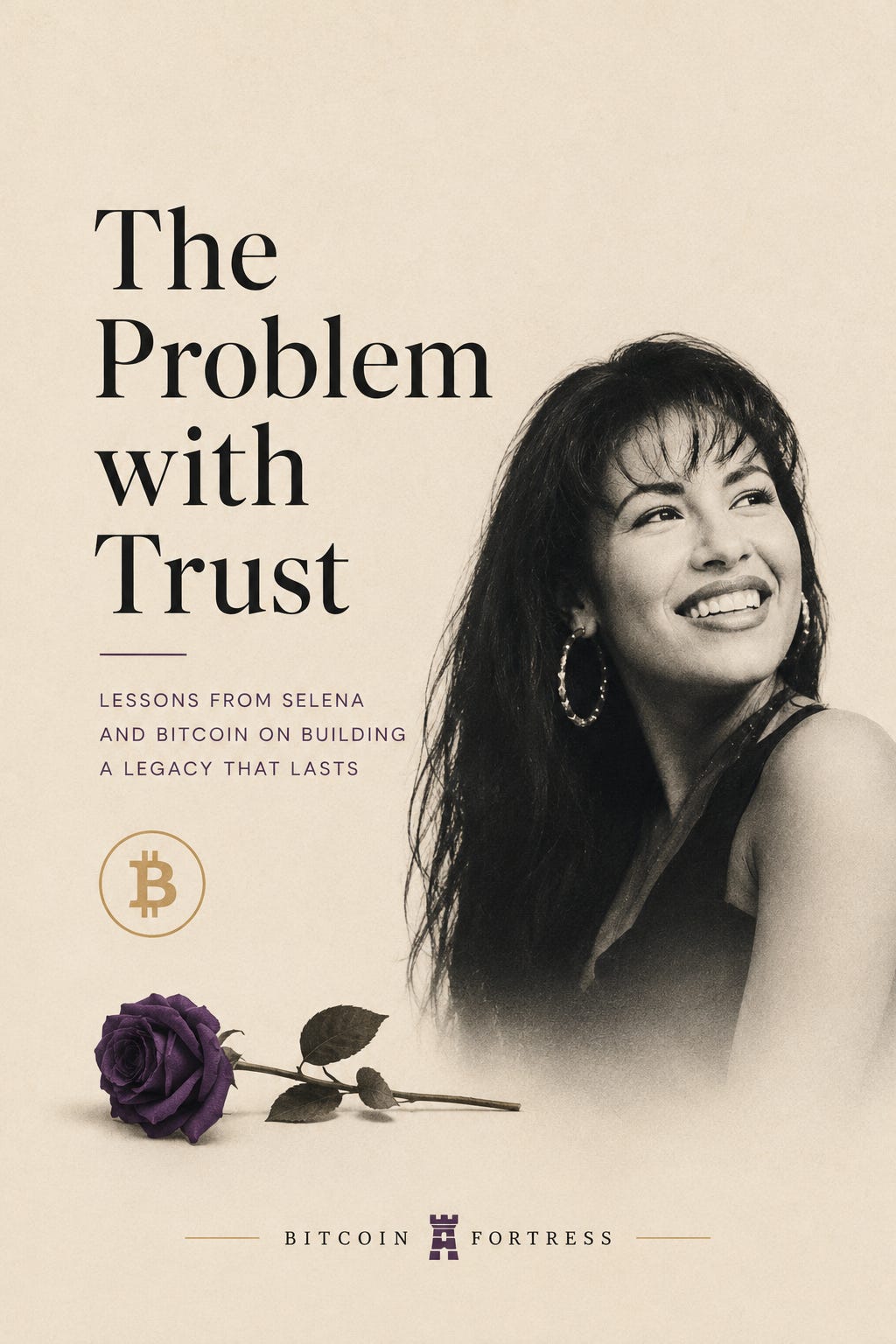
I watched Selena this weekend.
Like most people, I already knew how the story ended. The movie wasn’t going to surprise me.
Or so I thought.
What stayed with me wasn’t the ending. It was everything that happened before it.
Selena’s father built an incredible business around his daughter’s talent. As the business grew, responsibility was delegated. Someone managed the fan club. Someone handled the merchandise. Someone kept the books. It all seemed perfectly reasonable because it is. That’s how almost every successful business grows.
For years, it worked.
Until it didn’t.
Watching the movie, I realized this wasn’t really a story about music. It was a story about trust. More specifically, it was about what happens when too much trust becomes concentrated in one person.
Once you start looking for that pattern, you see it everywhere.
Banks fail because people fail. Companies collapse because people fail. Currencies lose their purchasing power because people fail. The issue isn’t that human beings are evil. Most aren’t. The issue is that we’re human. We make mistakes. We chase incentives. We rationalize bad decisions. And every once in a while, someone betrays the confidence placed in them.
Systems rarely fail because of the majority.
They fail because they depend on the minority never failing.
That’s what I find so fascinating about Bitcoin.
It doesn’t try to improve human nature.
It accepts it.
Instead of asking, Who should we trust? Bitcoin asks a different question.
How much trust is actually necessary?
That’s a subtle distinction, but it’s a profound one. Bitcoin removes unnecessary trust from the system. It acknowledges that people are imperfect and builds accordingly. It’s one of the few inventions that accepts human nature as it is instead of pretending it is something else.
As I reflected on the movie, though, I realized there was another lesson hiding beneath the first.
The trusted third party took Selena’s life.
She couldn’t take her legacy.
More than thirty years later, people still listen to her music. Young people who weren’t even born when she died continue discovering her. The concerts ended decades ago, but the influence didn’t. In an important sense, Selena is still here.
That made me think about Satoshi.
Bitcoin no longer depends on its creator. It doesn’t matter who Satoshi is because the idea became larger than the individual. The network continues to produce blocks. People continue to build on it. New generations continue to discover it.
The things that matter most eventually stop belonging to one person.
Bitcoin has changed the way I think about money.
More importantly, it has changed the way I think about time.
Low time preference isn’t just about saving for the future. It’s about building something that survives you. Not because your name is attached to it, but because it continues creating value long after you’re gone.
One day someone else will hold our bitcoin.
Whether they also inherit our values is entirely up to us.
Bitcoin can help us preserve wealth.
It can’t create a legacy.
That part is still our responsibility.
Not financial or legal advice, for entertainment only, do your own homework. I hope you find this post useful as you chart your personal financial course and Build a Bitcoin Fortress in 2026.
Thanks for following my work. Always remember: freedom, health and positivity!
Please also check out my Bitcoin Fortress Podcast on all your favorite streaming platforms. I do a weekly Top Bitcoin News update every week on Sunday, focused on current items of interest to the Bitcoin community. Please check it out if you haven’t already. Also now on Fountain, where you can earn Bitcoin just for listening to your favorite podcasts.
Also, check out my books:
Follow me on Nostr:
npub122fpu8lwu2eu2zfmrymcfed9tfgeray5quj78jm6zavj78phnqdsu3v4h5
And finally, don’t forget my YouTube channel for inspiring shorts and all my podcasts.
If you’re looking for more great Bitcoin signal, check out friend of the show Pleb Underground here.